Quick Assembly Days
Evenings when time is limited — meals built from pre-prepped components or simple combinations.
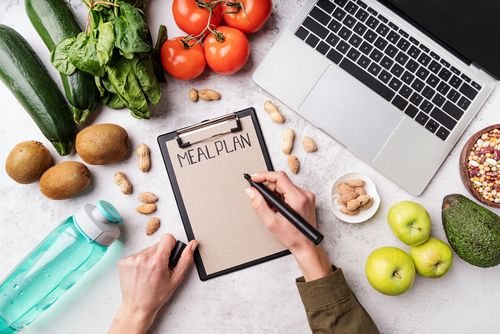
Discover general guidance on building weekly meal frameworks that respect your schedule, local produce cycles, and household preferences. All information here is educational and is not advice from a registered nutrition professional.
Rather than assigning specific dishes to every day, many households find it easier to work with flexible categories. This approach supports variety without rigid constraints.
Evenings when time is limited — meals built from pre-prepped components or simple combinations.
Sessions where more involved preparation happens, often generating portions for subsequent days.
Slots reserved for repurposing previous meals, reducing preparation duplication.
Flexible nights for dining out, shared meals, or spontaneous cooking without a fixed menu.
Batch cooking describes preparing larger quantities of base components — grains, roasted vegetables, proteins — that can be combined differently across the week. This is an organisational technique, not a prescribed food schedule.
Start with one or two components rather than attempting to prepare an entire week's meals in a single session. Gradual expansion is often more manageable for busy households.
A meal framework becomes practical when shopping reflects it. These steps describe a common organisational workflow.
Review pantry, fridge, and freezer before writing a list. Note items approaching use-by dates that could anchor upcoming meals.
In New Zealand, seasonal produce often offers better value and freshness. Build lists around what is currently available locally.
Organise lists by store section — produce, dairy, pantry staples — to reduce backtracking during shopping trips.
List ingredients with approximate quantities rather than exact recipe amounts when using category-based planning.
The following describes a generic structure some households adapt. Your version will differ based on work patterns, family size, and preferences.
Use batch-prepped components from the weekend. Minimal active cooking time in the evening.
A dedicated preparation session if schedules allow, replenishing components running low.
Open category — leftovers, simple meals, or dining out depending on the week's energy levels.
Review the coming week, adjust categories, and optionally prepare one or two base components.
Our structured programs guide participants through building personal meal organisation systems over several weeks. Content covers list-making, storage alignment, and review habits.
These programs are educational challenges focused on organisational skills. They do not address illness, personal health metrics, or nutrition therapy.
Three weeks introducing category-based planning and basic shopping list methods.
Four weeks exploring how New Zealand seasonal shifts influence weekly meal frameworks.
Five weeks coordinating meal plans across multiple household members and schedules.
All meal planning content on this page is general information for household organisation purposes. It is not professional health or nutrition advice. Speak with a qualified professional if you need guidance about food and wellbeing.
Our focus is on planning frameworks and organisational methods rather than recipe collections. We may reference general meal types as examples within educational materials.
Our organisational guidance can be adapted to various household eating patterns. For requirements related to medical conditions or allergies, please consult an appropriate qualified professional in New Zealand.
Reach out to discuss consulting sessions tailored to your household's schedule and organisational goals.