Preparation Zone
Counter space near cutting boards, knives, and commonly used utensils. Keep this area clear of unrelated items during active cooking periods.
Physical organisation underpins effective meal planning. This page shares general information about pantry systems, storage zones, and workflow layouts — practical household guidance, not professional organising certification.
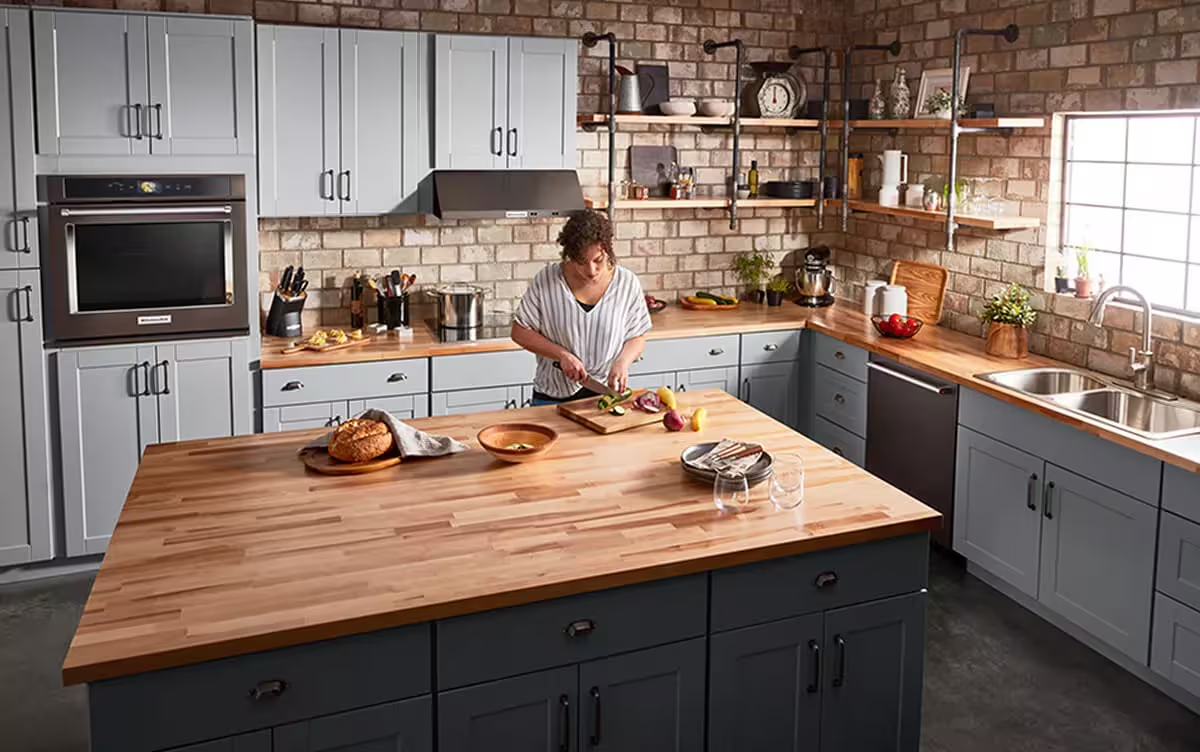
Dividing your kitchen into purpose-driven zones can reduce movement and decision time during meal preparation. These concepts describe common organisational patterns.
Counter space near cutting boards, knives, and commonly used utensils. Keep this area clear of unrelated items during active cooking periods.
Area around the stove and oven with pots, pans, and cooking oils within arm's reach.
Pantry and cupboard areas grouped by frequency of use — daily items at eye level, occasional items higher or lower.
Sink area with dish supplies, compost or waste bins, and space for immediate post-meal cleanup to maintain workflow continuity.
A visible, logically arranged pantry helps you know what you already have before shopping. Many households benefit from grouping items by meal function — breakfast staples together, baking ingredients together — rather than strict alphabetical order.
Clear containers with simple labels can improve visibility, though the specific products you choose depend on your space and budget. We describe principles, not product endorsements.
Items hidden behind others often get forgotten and may expire unused.
Place newer purchases behind older ones to use existing stock before opening replacements.
Cold storage organisation supports everyday kitchen awareness and may help households use food before it expires. These are general household tips, not professional food safety advice.
Ready-to-eat items, leftovers in labelled containers, and items with nearer use-by dates placed prominently.
Raw ingredients awaiting preparation, kept in appropriate containers to prevent cross-contamination.
Condiments and items tolerant of slight temperature variation. Avoid storing highly perishable dairy on doors in some fridge models.
Overly complex labelling systems often get abandoned. Effective labels are quick to apply and easy to read at a glance.
For items without clear use-by dates, noting when a package was opened helps track freshness informally.
Leftover containers benefit from brief content descriptions — "roasted vegetables" rather than just a date.
Use the same label style across containers so reading them becomes automatic rather than effortful.
Organisation gains value when it aligns with how meals actually happen in your home. Consider mapping a typical evening: arrival, ingredient retrieval, preparation, cooking, serving, cleanup. Each step reveals where friction occurs.
Adjusting storage locations based on this mapping — moving frequently used spices closer to the stove, for example — can reduce unnecessary steps. Changes need not happen all at once; incremental adjustments are often more lasting.
Many urban apartments and townhouses have limited kitchen space. These approaches focus on maximising utility without requiring extensive renovations.
Use wall-mounted racks or over-door organisers for items that would otherwise consume limited counter or drawer space.
Fewer, versatile kitchen tools reduce drawer clutter while maintaining preparation capability.
In small pantries, keeping fewer varieties of each staple category prevents overcrowding and expired items.
A brief weekly tidy — returning items to zones, checking dates — maintains order without major reorganisation sessions.
Not necessarily. Organisation principles apply regardless of container type. Repurposed jars, existing Tupperware, or new purchases all work — the key is visibility, grouping, and consistent labelling.
Timelines vary widely by kitchen size and current state. We generally recommend phased approaches over several sessions rather than attempting everything in one day. Individual experiences differ.
Contact our Wellington team for general guidance on pantry systems, storage zones, and meal-aligned kitchen layouts.